 PHUKET · THAILAND
Local intelligence that makes a destination easier to understand.
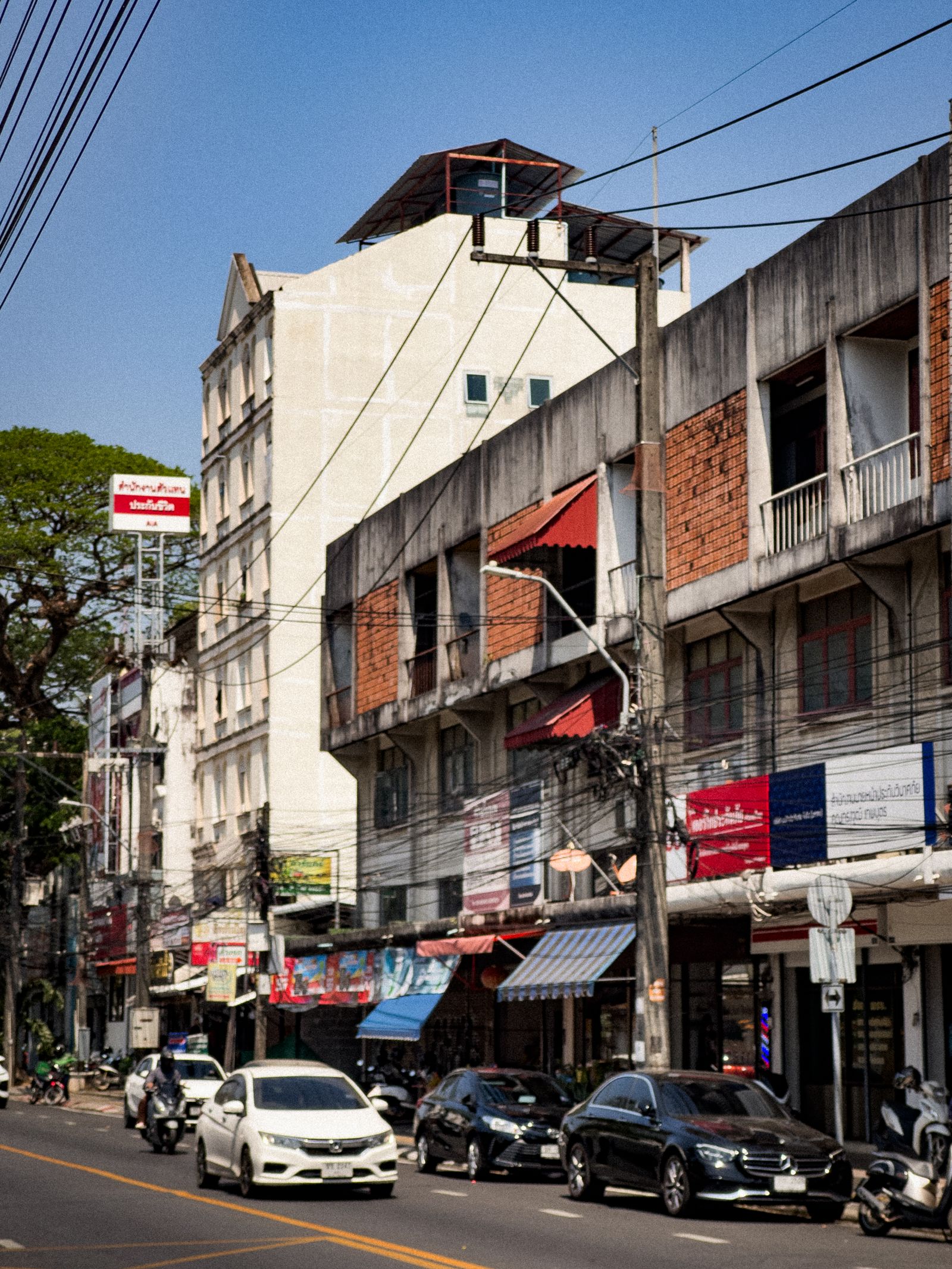
Content should reduce uncertainty.
Useful destination content should help a person understand trade-offs, timing, area differences, practical questions and the character of a place.
Specific observations, images and details from a place or experience.
Answers to planning questions that change a real decision.
Neighbourhood and zone perspectives, not one generic city page.
People who add context, craft, expertise or another point of view.
How an experience is researched, designed, delivered and improved.
Useful B2B thinking for properties, operators and destination partners.
Judgement stays visible.
Independent editorial judgement should not be quietly rewritten to match a commercial brief. If Golda does not know something first-hand, the source should be clear.
Useful, with disclosure.
Sponsored and partner content can still be useful, but usefulness starts with visible commercial context. The relationship should be clear when it affects the content.
Content can be a service without becoming advertising noise.
Destination storytelling
Commercial collaboration may include destination storytelling, guest information, campaign content and experience-led content.
Field research and visual work
Photography, video, creator coordination and research can be part of the scope when rights, sourcing and disclosure are clear.
Audience first
The final format should still be useful to the intended audience. Commercial intent should not erase the editorial reason to read or use the work.
See knowledge as part of the product.
Open the Insights desk for the publishing model, or discuss a content partnership built around a real audience and destination need.