
✦
Try an intent
Golda Insights · Editorial desk

Field notes, destination intelligence and ideas worth keeping.

Golda World Insights publishes destination knowledge for travellers and the travel industry, with an emphasis on field observation, practical decision-making, local context and transparent sourcing.

Desk 01 · PhuketField-led · Reviewed · Sourced
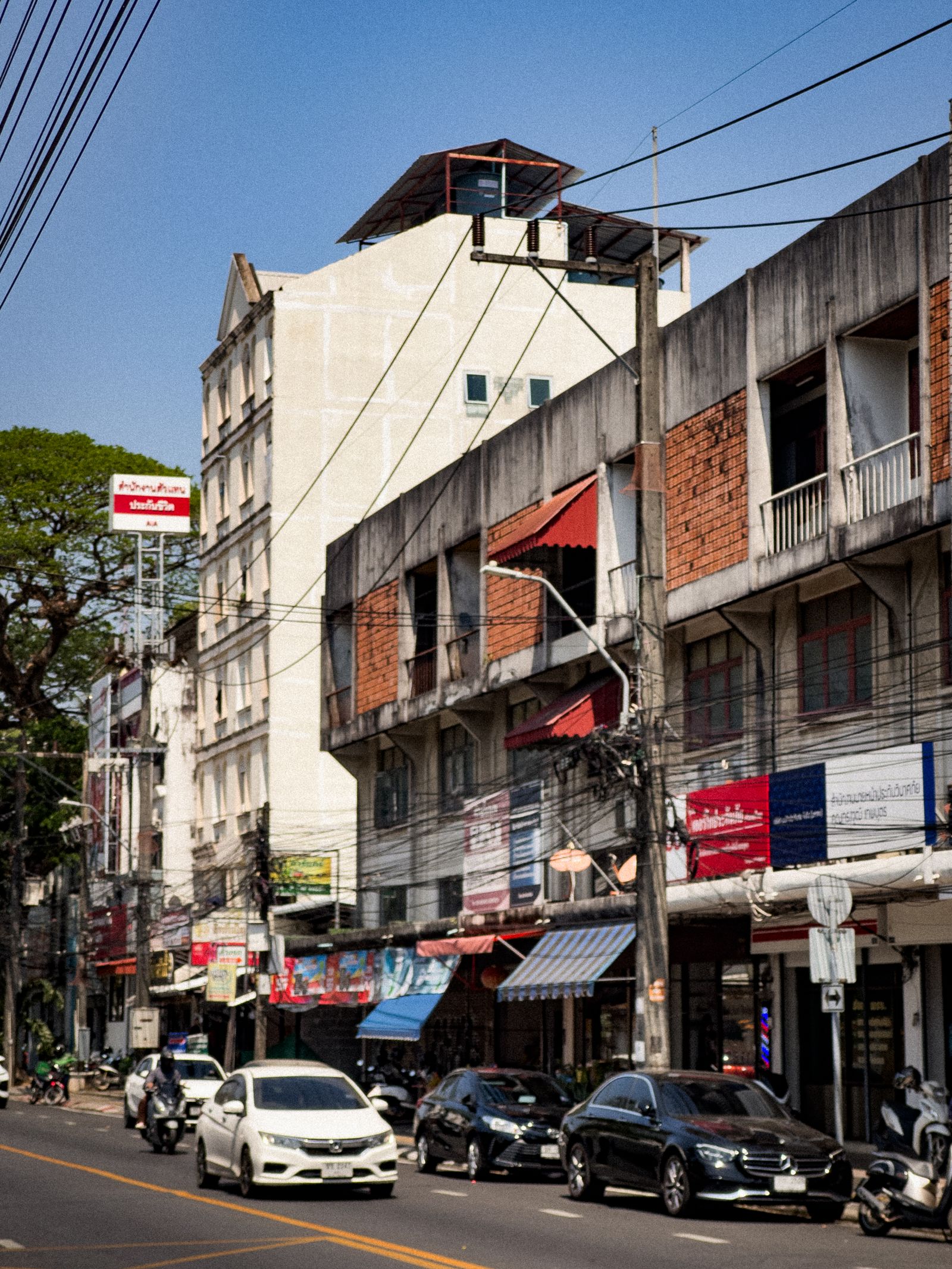
Phuket street context
Prototype field-note format

Read the place before the itinerary.

Example visual treatment only. A publishable field report still needs a real byline, review date and source trail.

Featured lens

Phuket changes block by block — not just beach by beach.

The useful story is not another list. It is the context that changes movement, food, convenience and the way a day feels.

Phuket neighbourhood street
Prototype · Field Note

Neighbourhood rhythm is a travel decision.

What this format should answer

What changed because we looked closer?

Area choice affects pace, access, meal patterns, night rhythm and how often a guest spends the day in transit. A strong field note makes those trade-offs visible rather than declaring one area “best”.

Publication gate · real author · observed date · reviewed date · visible sources where facts change.
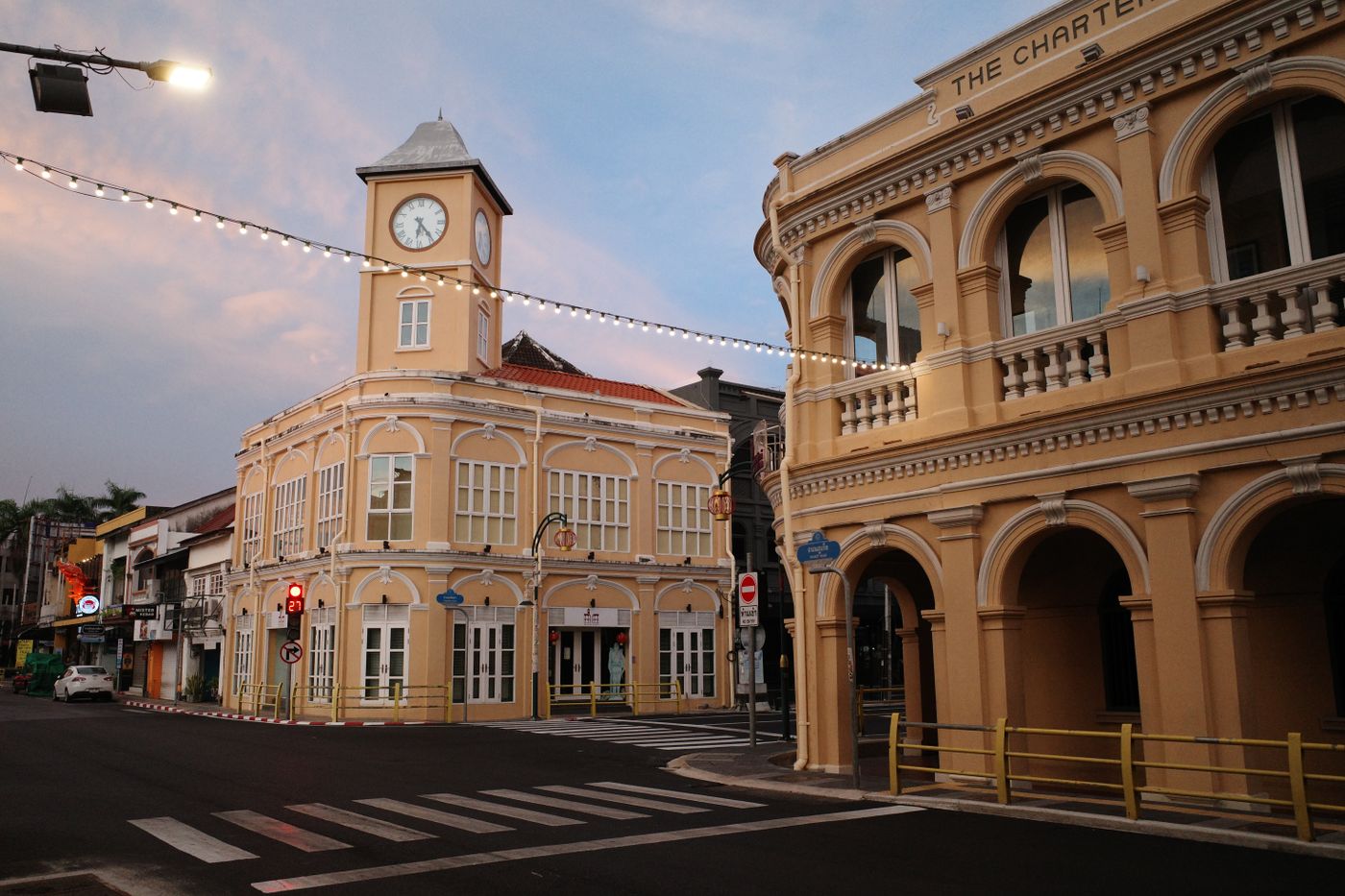
Phuket Old Town
Prototype · Practical Phuket

How area choice changes the whole trip.

Decision-support around pace, movement, interests and trade-offs instead of a generic best-area list.

Open Phuket context →
Hospitality setting
Prototype · Hospitality

Designing a local guest experience without overpowering the hotel brand.

Start with the property identity, guest problem, pilot ownership and measurement.

Open hospitality capability →
Phuket marine experience
Prototype · Behind the Experience

What an itinerary misses: timing, handoffs and human ownership.

A future process story about operating details a guest rarely sees but often feels.

See experience method →
Thai food context
Prototype · Standards

Why fewer verified recommendations can be more useful than a long list.

A curation note on fit, review, disclosure and the cost of recommendation without evidence.

See the Golda Standard →
Editorial standard

Evidence of understanding, not content volume.

01
Named ownership

Each factual or seasonal article should show who created it, when it was reviewed and whether commercial context is relevant.

02
Source trail

If the author does not know something first-hand, the page should show where the information came from.

03
Useful local connection

Content should link naturally to Phuket, a capability or a relevant partner path without turning the article into an advertisement.

Next step

Knowledge becomes useful when it changes a decision.

Explore Phuket for the destination structure or open Destination Intelligence & Media to understand the publishing and partnership capability.